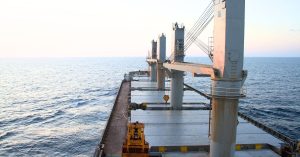
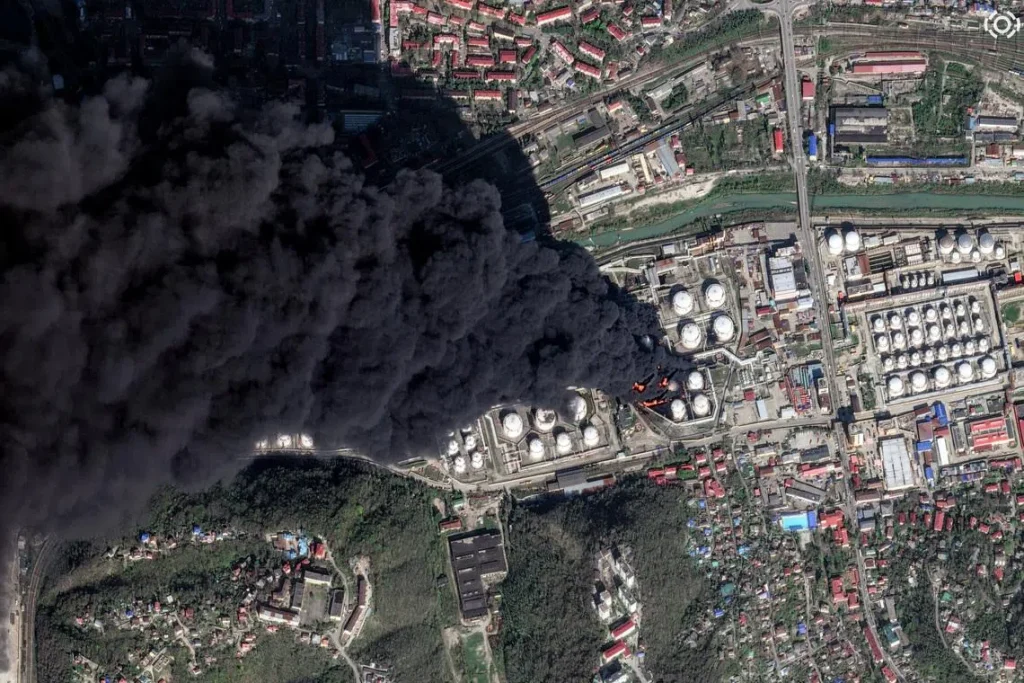
On April 17, firefighters were still battling a significant fire at the Black Sea port of Tuapse, over 24 hours after it was ignited by Ukrainian drone attacks. Local authorities reported that 177 servicemen were involved in the ongoing firefighting efforts. The drone assault occurred on Thursday and tragically resulted in the deaths of two individuals, including a 14-year-old girl, and left seven others injured. Additionally, one of the strikes targeted an oil tanker, contributing to the damage.
Ukraine’s military claimed responsibility for the attacks, asserting they successfully targeted two oil depots located in Russian-controlled Crimea and aimed to disrupt infrastructure in Tuapse. This escalation in Ukrainian military actions indicates a recent shift in strategy, as the nation has intensified its strikes on Russian energy infrastructure, notably at ports along the Black and Baltic Seas. These developments coincide with a pause in U.S.-brokered peace negotiations, as American focus has reportedly turned towards ongoing conflict dynamics in Iran.
Further compounding the situation, Russian state media, RIA Novosti, reported that Russia had intercepted and downed a staggering total of 11,211 Ukrainian drones in March, nearly double the amount recorded in February. This statistic highlights the increasing scale of military engagement between the two countries and underscores the wider implications of the ongoing conflict.
The situation at Tuapse and other strategic sites illustrates the heightened tensions and the deteriorating security environment in the region, driven by continuous hostilities and targeted military operations. The recent drone strikes reflect Ukraine’s ambition to disrupt Russian military logistics and infrastructure as part of a broader strategy in its fight against ongoing aggression.
Original publication date: [original_date]