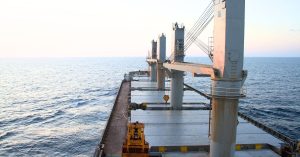

On January 9, 2023, tensions between Taiwan and China escalated following an incident involving what Taiwan suspects to be a Chinese-linked ship damaging an undersea communications cable off its northern coast. The Taiwanese coast guard has indicated that it could not rule out the possibility that the ship, registered in Cameroon and Tanzania but owned by a Hong Kong company, was engaged in “grey zone” activities—covert actions intended to exert pressure on Taiwan without direct military confrontation. However, investigations were hindered by inclement weather, preventing authorities from boarding the ship for further examination.
In response to the accusations, the ship’s owner asserted there was no evidence linking the vessel to the cable’s damage. The Taiwanese government has voiced concerns over “grey zone” tactics previously employed by China, including balloon overflights and sand dredging activities, which it perceives as efforts to intimidate and destabilize Taiwan.
The situation drew a rebuttal from China’s Taiwan Affairs Office, which characterized the damage to undersea cables as common maritime accidents and labeled Taiwan’s accusations as unfounded and exaggerated. They criticized Taiwan for seemingly stirring tensions with claims against the mainland.
Taiwan’s Mainland Affairs Council responded by asserting that their ongoing investigation would be driven by factual evidence. They also articulated international concerns about Chinese vessels operating under flags of convenience, citing similar incidents in the Baltic region where Chinese ships were implicated in damaging undersea cables. This response highlights Taiwan’s cautious approach to investigating and addressing maritime security threats, especially given its historical experiences with cable damage, particularly affecting the Kinmen and Matsu islands near the Chinese coast.
Compounding the friction, China’s discontent toward Taiwan President Lai Ching-te, whom they label a “separatist,” further complicates the relationship, as Lai’s administration rejects Beijing’s claims of sovereignty, emphasizing that only the people of Taiwan have the right to determine the island’s future.
This incident underscores continuing geopolitical tensions in the Taiwan Strait and reflects broader concerns about security and sovereignty in the face of perceived Chinese aggression. Taiwan’s government remains vigilant, navigating complex regional dynamics while attempting to assert its own identity and autonomy against external pressures.