A new study funded by European Space Agency programs highlights a significant decline in Antarctic sea ice, reshaping the Southern Ocean marine ecosystem and altering the foundation of its food chain. The analysis of satellite data indicates that a pivotal change occurred between 2016 and 2017, when an area of ice comparable to Greenland rapidly disappeared. Initially regarded as a temporary anomaly, this ice loss has proven to be persistent, with levels failing to revert to historical averages.
The US National Snow and Ice Data Center reported that the Antarctic annual minimum sea ice extent reached an alarming 1.98 million square kilometers in March 2025, representing one of the lowest records since satellite monitoring began in 1979. This decline signifies a long-term trend rather than an isolated event, reinforcing concerns about ongoing environmental changes.
Researchers from the Plymouth Marine Laboratory in the UK utilized satellite data from the ESA Climate Change Initiative Ocean Colour project to track shifts in the biological components of the Southern Ocean. By analyzing how the ocean reflects sunlight, the team discerned variations in phytoplankton concentration and types over time. Their findings revealed that approximately 70 percent of the studied regions now show increased phytoplankton levels during summer months compared to a decade prior. As a result of diminishing ice cover, large expanses of the Southern Ocean have shifted from low-productivity zones to areas of moderate productivity.
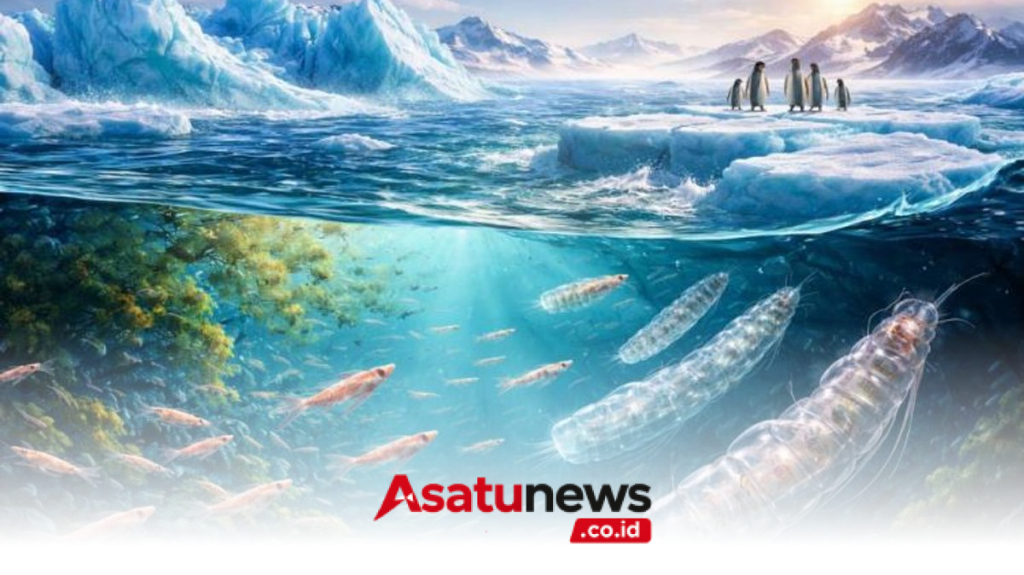
While this increase in phytoplankton offers potential benefits, it does not equally support all marine species. Diatoms, which are crucial large silica-rich algae, act as a primary energy source for Antarctic krill, essential food for larger predators such as seals, penguins, and whales. The sea ice plays a crucial role by providing a nursery and shelter for these algal communities, and its disappearance disrupts the microhabitat conditions necessary for efficiently transferring nutrients through the food web of the Southern Ocean.
Furthermore, the rapid changes observed are challenging existing computer models, which typically forecast gradual environmental shifts rather than sudden tipping points. Long-term satellite observations are becoming indispensable for monitoring these significant ecological transitions, given the logistical challenges and high costs associated with conducting polar field research.
In summary, this emerging evidence of widespread changes in the Antarctic region underscores the urgency of understanding how these alterations affect biodiversity and global carbon storage. The transition toward a future with less sea ice poses critical questions for the sustainability of marine life in the Southern Ocean and highlights the interconnectedness of climate dynamics and marine ecosystems.
Original publication date: [original_date]