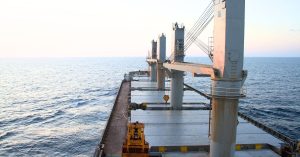
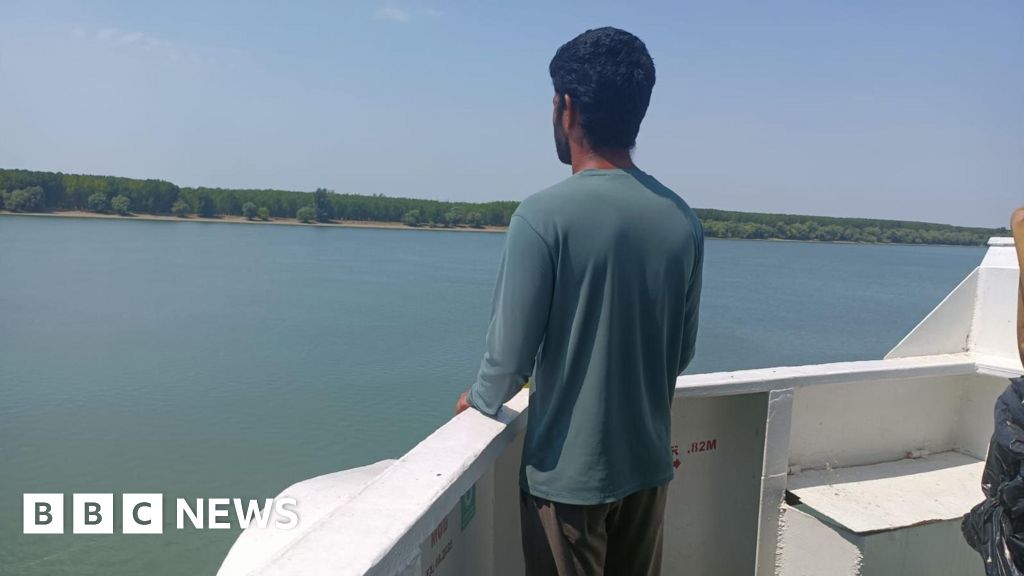
An Indian crew member, Manas Kumar, has been stranded aboard the Anka cargo vessel in Ukrainian waters since April. The ship was transporting popcorn from Moldova to Turkey when Ukrainian authorities seized it, alleging it was part of a “shadow” fleet linked to the illegal sale of looted Ukrainian grain. Although the vessel operates under the Tanzanian flag and is managed by a Turkish company, its ownership remains unclear.
Kumar, along with 13 other crew members—including five Indians, two Azerbaijanis, and six Egyptians—has been unable to leave the ship despite Ukrainian authorities declaring they are not under investigation. The crew is reluctant to disembark without their salaries, which accumulate to over $102,000 by June 2024, as they fear losing their earnings. The situation highlights a broader issue of abandoned seafarers, a term denoting crew members left stranded by their shipowners and deprived of basic needs and wages.
India is notably one of the largest suppliers of maritime crews but also leads in the number of abandoned sailors, largely due to ships registering under flags of convenience. This practice allows ship owners to circumvent strict regulations by registering in countries with less oversight, obfuscating real ownership, and complicating accountability.
The International Transport Workers’ Federation (ITF) discovered that out of thousands of abandoned sailors globally, a significant portion are Indian. Former seafarers, like Mohammad Gulam Ansari, emphasize that many sailors lack financial means to leave their ships without compensation, especially after substantial investments in training and agent fees.
Compounding these challenges, abandoned crew members often face dire living conditions. Reports of inadequate provisions abound, like those from Captain Prabjeet Singh on another Indian vessel, Nirvana. His crew experienced extreme shortages, leading to desperate measures like burning wood for cooking.
Absence of effective oversight from India’s Directorate General of Shipping further exacerbates the plight of crews. Critics argue that while regulatory scrutiny is inadequate, crew members must also be more vigilant when taking up positions. Many seafarers remain unaware of the risks until it is too late.
As the situation unfolds, crew members across ships like Anka and Nirvana continue to call for immediate intervention to return home safely and receive their due wages, caught in a web of regulations and complex ownership structures in a globalized shipping industry. The humanitarian crisis reflects broader issues surrounding labor rights in maritime employment, calling for urgent systemic changes to protect vulnerable seafarers.
Source link